
The concept of being an ethical democratic citizen is a slippery one to grasp; all three of these words are loosely defined. Therefore everyone has their preconceived notion about their meanings; couple this with their personal values, convictions, and ideals and you have one messy topic on hand. But alas, for the sake of intellectual enlightenment and stimulation every person should venture on a quest for their personal meaning of what it means to be an ethical democratic citizen and then strive for it. To truly discover what it means first the terms must be defined on their own, and then molded together to create an image you would like to be reflected in.
Reflection is a key part of being ethical. You must be able to live with yourself and your choices, and in order to achieve this you must live up to your own standards. Ethics is the philosophical study of moral values and rules (as defined by wordnet). Obviously this is
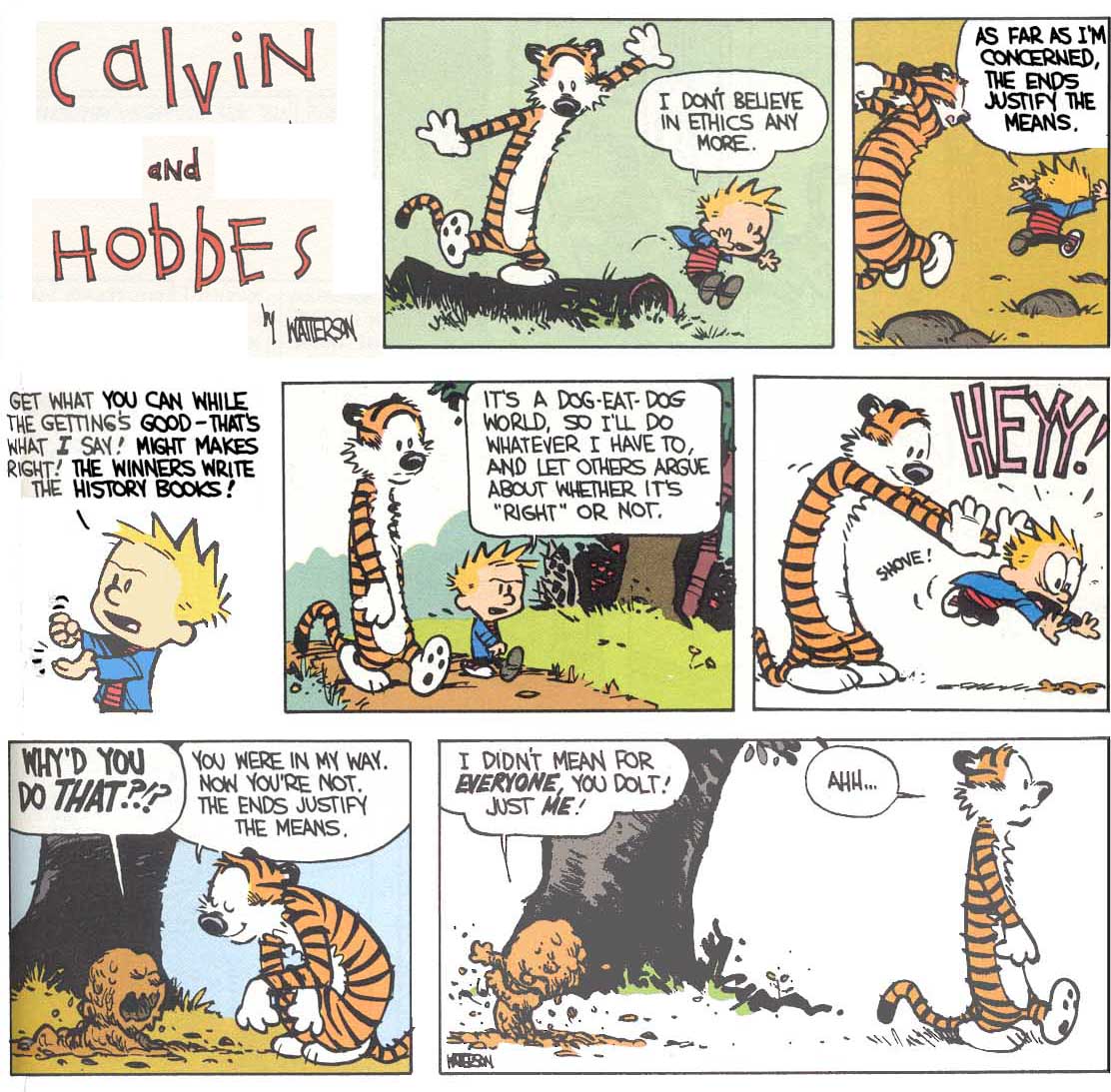 the most difficult of the three words to define just because to define “ethical” you must define “ethics” and ethics is just a blanket term for a whole set of a person’s individual beliefs. Commonly these beleifes are pertaining to religion, or love. "Love of the concrete other," as Cornell West states, is a very christian-based idea that has become infused with, or is else ingrained as part of human nature, many modern day moral sets. Diversity is key and you must have a love of all humanity before you can truly love at all. It is taught to young children, teens, and preached by the politicians. But this is only one moral, and on many issues there is too big of a divide to have a common set of ethics. Therefore in order to be ethical it cannot be defined what your values should be, but that you have things that you believe in and are willing to defend them.
Being willing to defend your beliefs is different than having the opportunity to do so. However, there is an outlet for such opinions in a government like the United States has. Being a democratic republic we take pieces of both the democracy and the republic. In a true democracy every person votes on every issue. Because of job specialization and just general practicality it does not work for everyday Americans but this is why we implemented the republic aspect. This allows people to vote for representatives who do all of the voting for them. The voting public’s responsibility is to elect representatives with similar ethics as themselves and therefore they are spoken for. Unfortunately some people have become lazy. This laziness can be attributed to the Mass Man. "What is the Mass Man? The Mass Man is that type of man who is not interested in spiritual values; is not interested in knowing something about the truth: it is the type of man who thinks he is completely entitled to any form of freedom, absolute freedom. Life (has) to be easy; no restrictions, please, no criticism, and (he) demands instant satisfaction of all his physical and material needs." - Rob Reimen. This type of drive is exactly what once and ideally still would drive the democratic part of a person to his or her own personal ethics to an extent that they would be compelled to vote. Many people in todays age do not vote simply because they see it as an inconvience, or they do not think that their vote matters. “Bad officials are elected by good citizens who do not vote.”-George Jean Nathan. They are not contributing actively as citizens. As this video states, people need not only to get mad, but to do something about it.
Citizens are those people who are members of a political society such as this democratic republic. Every person who is born in, or immigrates legally to, America has citizenship. One thing that sets American citizenship apart from citizenship in other countries is the active role in politics that comes with the title. Being an American citizen gives a person the right to vote for the leaders who will in turn vote similarly to what their ethics deem right. Yet, although you have this right, is it a r
 esponsibility to use it? In order to be a citizen you need not exercise your right. They hand the title out, along with the power of one to make a difference. “Always vote for principle, though you may vote alone, and you may cherish the sweetest reflection that your vote is never lost.” John Quincy Adams hit this nail right on the head. You may not be required to vote; your citizenship isn't up for reevaluation based on your lack of voting. Voting is a privliage that should be utilized but it is the individuals right to be a Mass Man, too lazy to get the remote that he dropped under the table, and reserve your vote. Voting is no more difficult than picking up your mail, yet so many people decide it's too difficult every year. “Voting is a civic sacrament.” -Theodore Hesburgh
The ethical democratic citizen is a rare and wonderful thing. Many people have ethics and yet blindly vote on a party line, or don't vote at all. Some people have no ethics and just vote for (or against) someone based on gender or skin color, or some other reason that has nothing to do with policy. Some people just don't care how their government is run as long as they get instant gratification and their daily lives aren't directly (tracebly) impacted. The ethical democratic citizen is a person motivated by goals to better society based on their own personal ethics, who has the internal drive to do so (which includes self-education), and who has and fully utilizes the privladge of being a citizen by voting.


